
Updated October 7, 2026 · By Rob Braddock
To improve CMO manufacturing operations, identify where batches wait, why work is repeated, and which resources limit output. Then address the highest priority constraints without weakening quality controls. Small pharmaceutical companies can use the same approach before committing to more equipment, additional shifts, or a new software system.
This practical guide covers production bottlenecks, staffing, maintenance, material readiness, and quality handoffs. It also provides a proposed 90 day improvement plan that can be adjusted to your site’s risks and resources.
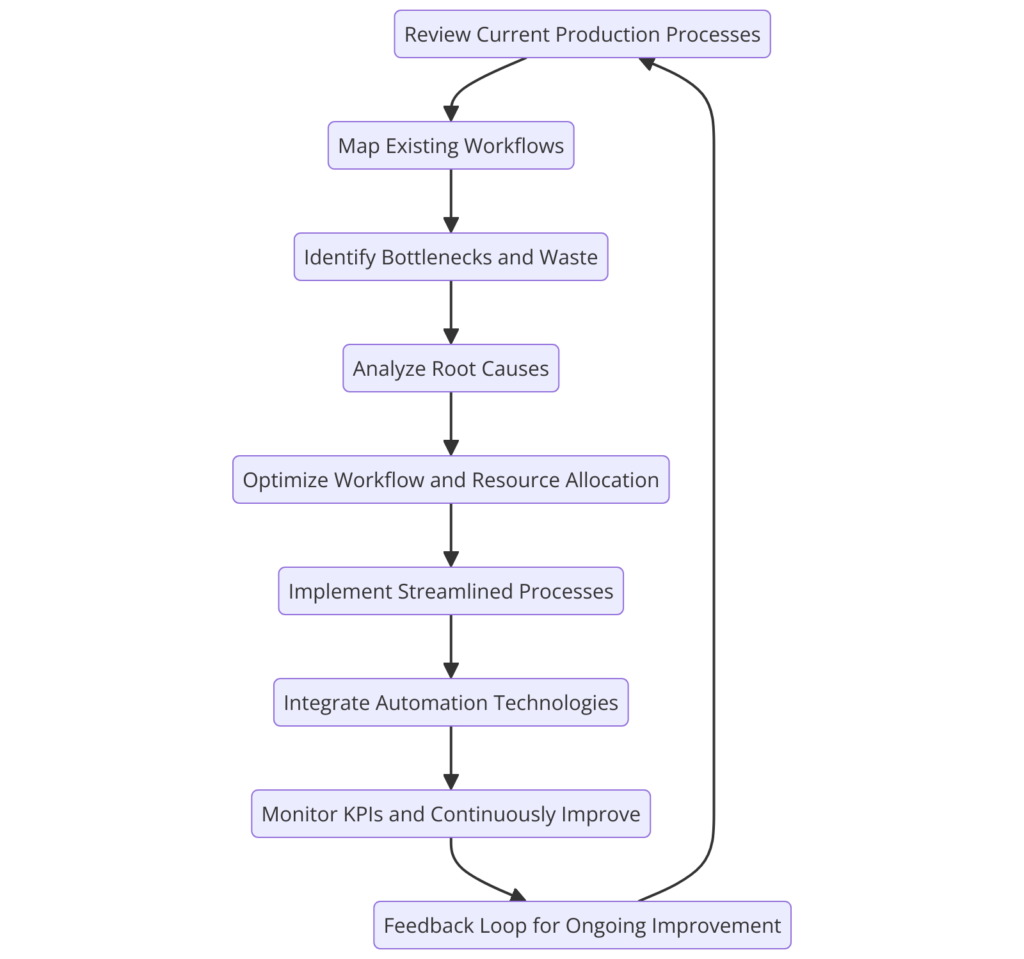
Start with the Complete Batch Journey
Map a representative batch from material availability through production, testing, review, and release. Record processing time, waiting time, rework, and handoffs. Review more than one batch so a single unusual event does not drive the entire improvement plan.
- Compare the approved schedule with actual start and completion times.
- Separate equipment downtime from time waiting for people, materials, or decisions.
- Identify repeated documentation corrections and investigation delays.
- Check whether product mix, changeovers, or shared resources explain the constraint.
Match the Symptom to the Constraint
| Symptom | What to Check | Practical First Step |
|---|---|---|
| Batches start late | Material release, staffing, room readiness | Define a batch readiness check before scheduling |
| Production finishes but release is delayed | Testing queues, record review, unresolved deviations | Map the release workflow with Quality and QC |
| Overtime rises without more output | Rework, handoffs, changeovers, recurring faults | Review lost hours by cause and shift |
| Equipment failures interrupt the plan | Repeat faults, overdue work, spare parts | Prioritize maintenance for critical assets |
| New work overwhelms the team | Product mix, training coverage, planning assumptions | Model capacity across equipment and people |
Use a Small Set of Useful Performance Measures
Choose measures that show whether the complete operation is improving. Define each measure, its data source, and its owner. Review trends alongside product mix and workload so a favorable number does not hide a new problem.
- Schedule adherence: agreed work completed within the planned window.
- Batch cycle time: elapsed time between defined milestones.
- Documentation right first time: records accepted without correction under a clear definition.
- Deviation and CAPA aging: open items by age, risk, and cause.
- Critical asset availability: planned versus unplanned lost time.
Avoid using one measure alone. Higher equipment utilization can increase queues, while faster processing may leave the testing or review backlog unchanged. Keep quality and safety measures visible alongside output.
Clarify Responsibilities Between the CMO and Product Owner
Unclear handoffs can delay decisions during deviations, changes, and release review. FDA’s guidance on contract manufacturing quality agreements describes how parties can document their manufacturing activities and responsibilities. Review agreements against how the operation actually works, including escalation and communication routes.
Operational changes should follow the site’s approved change control and quality procedures. A shorter workflow is useful only when required controls and evidence remain effective.
Strengthen Maintenance and Staff Coverage
Identify equipment whose failure would stop production or affect product quality. Review recurring faults, preventive maintenance, calibration status, and the availability of critical spare parts. Assign ownership for follow-up rather than relying on reminders alone.
For staffing, compare the skills needed by shift with documented training and demonstrated task capability. Cross-training can improve coverage, but the training and authorization needed for the work still apply. Include quality, laboratory, and maintenance support when assessing capacity.
A Proposed 90 Day Improvement Plan
| Period | Focus | Output |
|---|---|---|
| Days 1 to 30 | Establish the baseline and identify the constraint | Process map, risk priorities, agreed measures |
| Days 31 to 60 | Pilot a focused improvement under approved procedures | Defined trial, responsibilities, reviewed results |
| Days 61 to 90 | Check effectiveness and standardize the improvement | Updated procedures, training, follow-up review |
Illustrative example: If batches repeatedly wait for records to be corrected, buying a faster production machine may not improve release time. First examine record design, training, review timing, and the causes of corrections. This example describes a possible workflow issue, not a reported PharmExcel client result.
Frequently Asked Questions
Should we buy more equipment first?
First confirm that equipment is the actual constraint. Material availability, trained staffing, laboratory capacity, and review queues may limit output before production equipment does.
Can a small pharma company use this approach?
Yes. Start with one product family or workflow and a manageable set of measures. Expand the assessment as the operation and risk profile require.
How do we decide which improvement comes first?
Consider quality and safety risk, operational impact, feasibility, and the evidence available. Give each action an owner and a date for effectiveness review.
Get Practical Operations Support
PharmExcel supports manufacturing assessments, workflow improvement, facility systems, and leadership development. Review our pharmaceutical consulting services, read our radiopharmaceutical readiness guide, or discuss your operational priorities with Rob.
About the Author
Rob Braddock is the founder of PharmExcel Consulting, former COO of Evergreen Theragnostics, and former Executive Director of Manufacturing Operations at BioCentriq. His career includes manufacturing leadership roles at Pfizer/Wyeth Vaccines and Chemtrade. Learn more about PharmExcel.